
"Harrar Mocha"
600 article(s) found

Ethiopian coffee grade washed coffee Yega Xuefei
The highest grades of Ethiopian washed coffee Yega Chuefei G1 G2 Sidamo (Yirgacheffe, Sidamo) are Grade 2 and Grade 3 (G2, G3), while most of the sun-processed coffee in eastern Ethiopia are Grade 4 or Grade 5 (G4, G5). In many cases, level 4 coffee is marked as level 5 in order to reduce taxes. At present, the grading is not uniform and messy, because there is also sun processing.

Ethiopia-Coffee Origin, producing areas, characteristics, introduction
Grade of Ethiopian coffee: Ethiopian washed coffee Yega Chuefei G1 G2 Sidamo (Yirgacheffe, Sidamo) has the highest grades 2 and 3 (G2, G3), while sun-processed coffee in eastern Ethiopia is mostly grade 4 or 5 (G4, G5). In many cases, level 4 coffee is marked as level 5 in order to reduce taxes. At present, the classification is not uniform and there are

Arab East Africa
[Yemen] the word Mocha has many meanings. After 600 AD, the first coffee bean far from its hometown, Ethiopia, took root in the leaf gate on the other side of the Red Sea, and the coffee industry began all over the world. Since the most important export port of early Yemen coffee was the port of Mocha (now silted up), the coffee produced in Yemen was also called "mocha" beans.
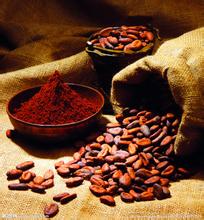
Ethiopian Coffee Culture the Development of Ethiopian Coffee
Ethiopian Coffee has a long History Ethiopian Coffee has a very important history and culture the highest grades of Ethiopian coffee Yega Xuefei G1 G2 Sidamo (Yirgacheffe, Sidamo) are grade 2 and 3 (G2, G3), while sun-processed coffee in eastern Ethiopia is mostly grade 4 or 5 (G4, G5). In many cases, level four coffee is marked as level five.

Introduction to the grade of coffee beans in Ethiopia
Grade of Ethiopian coffee: Ethiopian washed coffee Yega Chuefei G1 G2 Sidamo (Yirgacheffe, Sidamo) has the highest grades 2 and 3 (G2, G3), while sun-processed coffee in eastern Ethiopia is mostly grade 4 or 5 (G4, G5). In many cases, level 4 coffee is marked as level 5 in order to reduce taxes. At present, the classification is not uniform and there are
Boutique Coffee Culture Coffee History of Arab East Africa
[Yemen] the word Mocha has many meanings. After 600 AD, the first coffee bean far from its hometown, Ethiopia, took root in the leaf gate on the other side of the Red Sea, and the coffee industry began all over the world. Since the most important export port of early Yemen coffee was the port of Mocha (now silted up), the coffee produced in Yemen was also called "mocha" beans.

Sidamo Coffee single Bean Flavor description Variety planting Development History production area treatment method
Professional baristas please follow the coffee workshop (Wechat official account cafe_style) Ethiopia is the hometown of Arabica coffee, it is in the forests of the Kaffa region that you can see wild Arabica coffee. In Ethiopian, coffee is called Bun or Buna, and coffee beans (coffeebean) may be translated from Kaffa Bun. Ha

What is the flavor of Ethiopian coffee beans? describe the characteristics of producing area information.
For the exchange of professional baristas, please follow the coffee workshop (Wechat official account cafe_style) in the West, Essex Coffee is generally sold on the market under the label Yega Chuefei Cedamo and Harald (Yirgacheffee, Sidamo and Harrar). In the field of boutique coffee, there are five other small places of coffee, namely, Lim, Gemma, Le Campdori, Becca and Limmu, D.

Introduction to Ethiopian Coffee Grade
Grade of Ethiopian coffee: Ethiopian washed coffee Yega Chuefei G1 G2 Sidamo (Yirgacheffe, Sidamo) has the highest grades 2 and 3 (G2, G3), while sun-processed coffee in eastern Ethiopia is mostly grade 4 or 5 (G4, G5). In many cases, level 4 coffee is marked as level 5 in order to reduce taxes. At present, the classification is not uniform and there are

Ethiopian coffee raw beans introduce cup size in coffee shop
The highest grades of Ethiopian washed coffee Yega Chuefei G1 G2 Sidamo (Yirgacheffe, Sidamo) are Grade 2 and Grade 3 (G2, G3), while most of the sun-processed coffee in eastern Ethiopia are Grade 4 or Grade 5 (G4, G5). In many cases, level 4 coffee is marked as level 5 in order to reduce taxes. At present, the grading is not uniform and messy, because there is also sun processing.

Boutique Coffee basic knowledge Fine Coffee beans from Arab East Africa
[Yemen] the word Mocha has many meanings. After 600 AD, the first coffee bean far from its hometown, Ethiopia, took root in the leaf gate on the other side of the Red Sea, and the coffee industry began all over the world. Since the most important export port of early Yemen coffee was the port of Mocha (now silted up), the coffee produced in Yemen was also called "mocha" beans.

A brief introduction to the Origin, Development, History and Culture of Fine Coffee beans in the unique Ethiopian Coffee Manor
In the West, Ethiopian coffee is generally sold on the market as Yega Feixidamo and Harald (Yirgacheffee, Sidamo and Harrar). In the field of boutique coffee, there are also five other small places of coffee, namely Lim, Gemma, Le Campdi, Becca and Limmu, Djimmah, Lekempti, Bebeka and Wolega. What you see most often is
Flavor characteristics of Yemeni Coffee Classification of Yemeni mocha Coffee characteristics of Yemeni Coffee
Yemeni coffee Yemen produces bean-shaped berry coffee beans (Peaberrybean): this coffee bean is smaller and rounder than most coffee beans and looks like peas, sometimes referred to as mocha coffee beans. The shape of mocha coffee beans is similar to that of Ethiopia's Harrar coffee beans.

Introduction to the characteristic origin of Yemeni mocha coffee
Yemeni coffee origin: Yemeni bean-shaped berry coffee beans (Peaberrybean): this coffee bean is smaller and rounder than most coffee beans and looks like peas, sometimes called mocha coffee beans. The shape of mocha coffee beans is similar to that of Ethiopia's Harrar coffee beans.

According to what is Ethiopian coffee beans rated by the sun? what is the flavor of Yega Xuefei raw beans?
The rich, spicy, aromatic Ethiopian Harald coffee is a wild and exotic dry processed (natural) Arabica coffee. Small farmers growing between 1400 and 2000 meters above sea level in the Oromia region of southern Ethiopia (formerly Harald)

Ethiopian coffee plantation with unique quality and moderate pH
Harar Coffee is produced in the eastern highlands of Ethiopia. It is medium bean-shaped and large
History of Coffee Culture in Arab East Africa
[Yemen] the word Mocha has many meanings. After 600 AD, the first coffee bean far from its hometown, Ethiopia, took root in the leaf gate on the other side of the Red Sea, and the coffee industry began all over the world. Since the most important export port of early Yemen coffee was the port of Mocha (now silted up), the coffee produced in Yemen was also called "mocha" beans.

The grade flavor of Ethiopian coffee
Essel coffee is processed by two processing methods: sun and water washing. The flavor of coffee processed by different processing methods is very different. Generally speaking, the alcohol thickness and soil taste of washed Sidamo, Yirgacheffe and Limmu coffee are slightly lower, and the taste of sun-processed coffee is more wild. But Ethiopian coffee may taste different from batch to batch, which requires more cup tests before it can be found.

Common sense of Yemeni coffee beans in Arab East Africa
[Yemen] the word Mocha has many meanings. After 600 AD, the first coffee bean far from its hometown, Ethiopia, took root in the leaf gate on the other side of the Red Sea, and the coffee industry began all over the world. Since the most important export port of early Yemen coffee was the port of Mocha (now silted up), the coffee produced in Yemen was also called "mocha" beans.

Coffee History of Arab East Africa Coffee Culture Common Sense
The word mocha has many meanings. Around 600 AD, the first coffee beans far away from home-Ethiopia-took root in Yemen on the other side of the Red Sea, and since then the coffee industry has been carried out all over the world. Since the most important export port of early Yemen coffee was Mocha Port (now silted), the coffee produced in Yemen was also called "Mocha" beans; over time, some people